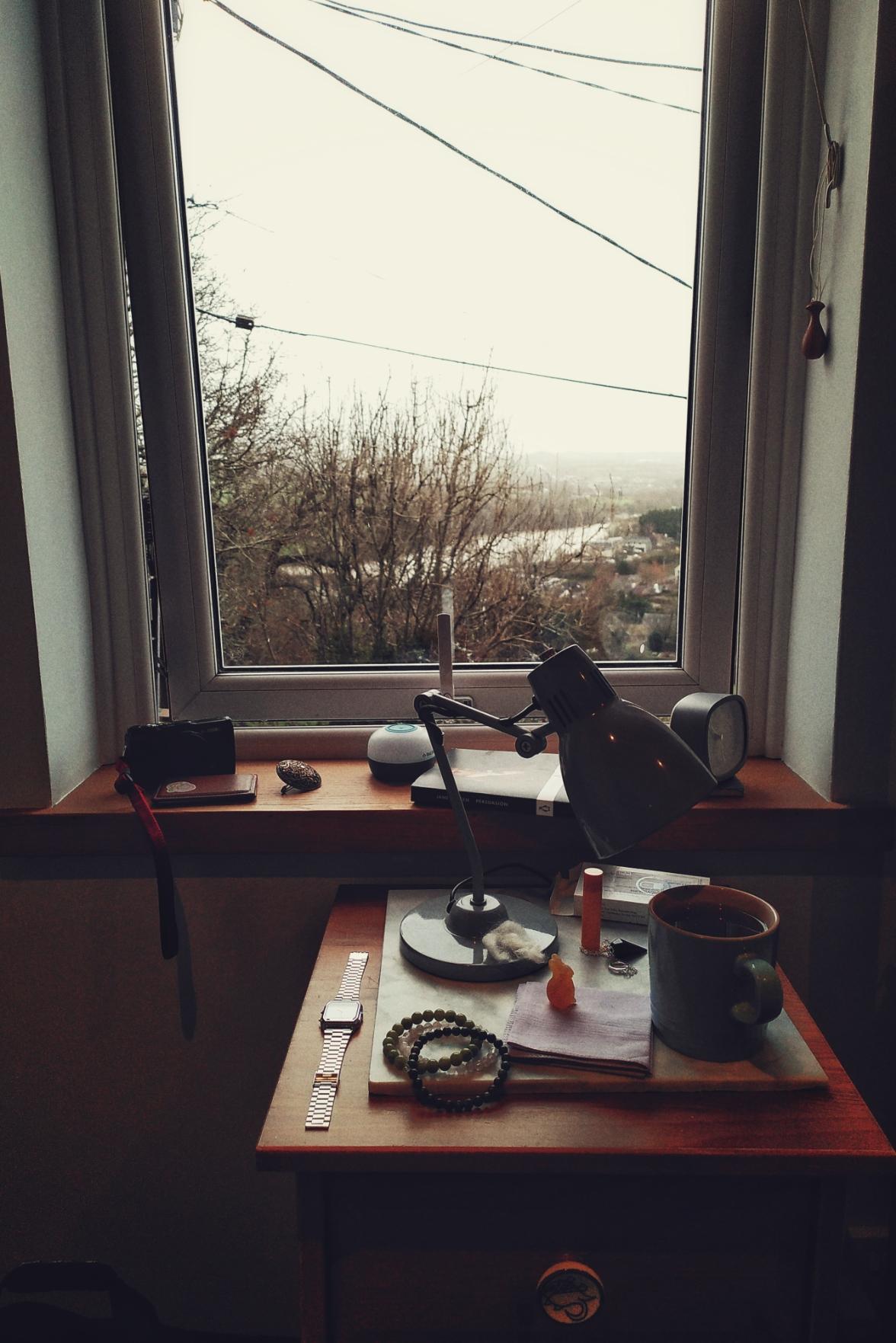
I began the year with one reading plan: read another collection of Maigret stories as I have done for the past six years (I read one of those collection every year - in the publication order), and read all the books selected for the medieval reading challenge my brother and I set for ourselves.
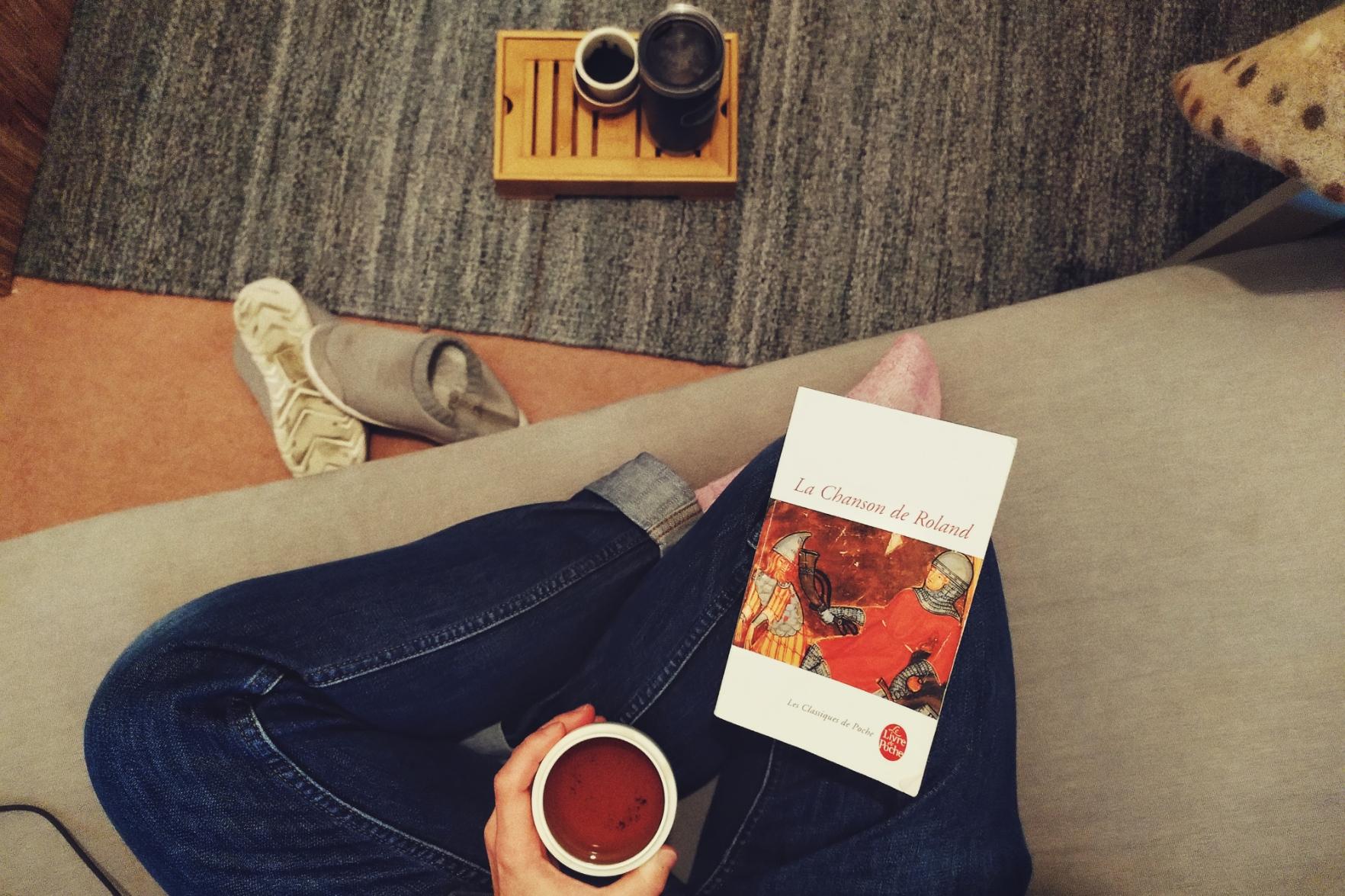
It was simple enough and only required that I read a couple of books a month, maybe a few more here and there. I had gotten in the habit of averaging forty books a year without thinking much about it over the past few years so shrinking that list to twenty-four seemed feasible.
I changed my reading goal as long covid turned from a possibility to a reality. At the tail end of the summer of 2024, the diagnosis came and with it the chance of a cure for what was ailing me vanished. My life collapsed and everything felt too much. Still, by the time December came around, I wanted something to look forward to in the upcoming year. I planned careful outings and I set-up the above reading goals. I was cautiously optimistic that I could live with long covid, that I understood what was needed. I was wrong.
The year started well enough but as some of my strength returned, I pushed too hard and collapsed back into pain and fog and dizziness and reading vanished. Words blurred on the page and lines shifted as my eyes scanned from left to right. I turned to audiobooks but found I could only comprehend children and young adult novels, and only for ten or fifteen minutes at a time. The books I had purchased for the medieval reading challenge gathered dust.
I refused to let go of reading and constantly sought titles I could read. I perused the bookshelf but found it too wordy. A colleague lent me her copy of Sunrise on the Reaping by Suzanne Collins and I discovered that if I paced myself, if I kept a bookmark to highlight the line to focus on, I could read a little. So I did. I did not care much for the story but I cared for the slow return of my ability to read words on a page, to comprehend a story.
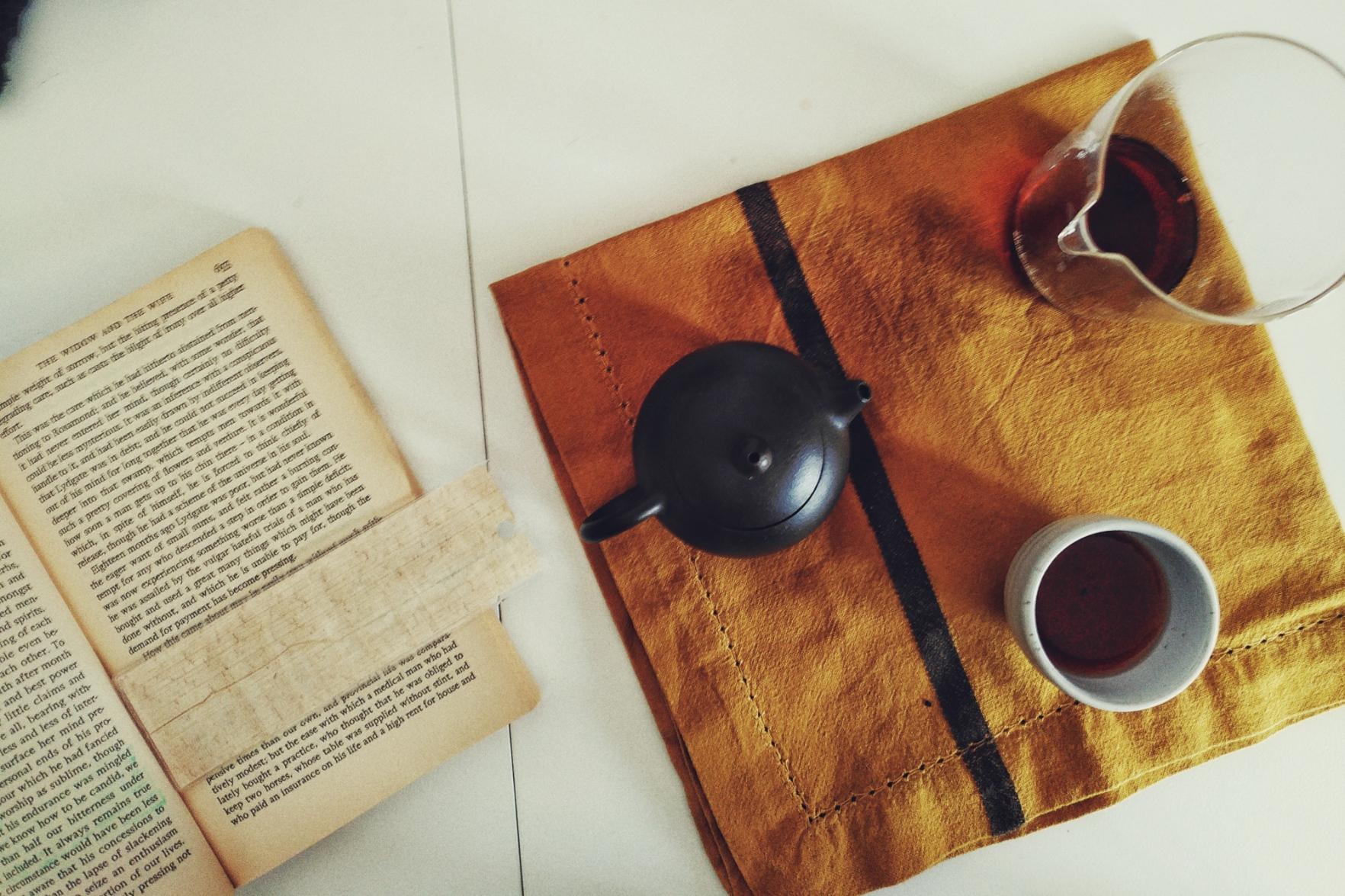
As I finished the book, I picked up Some of Us Just Fall: On Nature and Not Getting Better by Polly Atkin, a book I had been avoiding for months. I was afraid of its content and its power to unravel me. I was right. It did unravel me, exposed raw wounds I was careful to hide, and in doing so it set me free from the reading goals I so desperately clung to. I let go.
I began to allow myself to read outside of my bookshelf. I dug into my new found interest in fibre crafts and borrowed piles of books from the library on weaving, on spinning, on the history of fibre and clothes. I read some of them. I discarded others. All the while I read and one day, with a little fear I returned to fiction. I opened the pages of 84, Charing Cross Road by Helene Hanff and read it from beginning to end in one sitting. I found I could read again. I still needed a bookmark to guide my eyes but I was again able to process words, to understand stories, and to come out on the other side unscathed, my brain free from fog and pain.
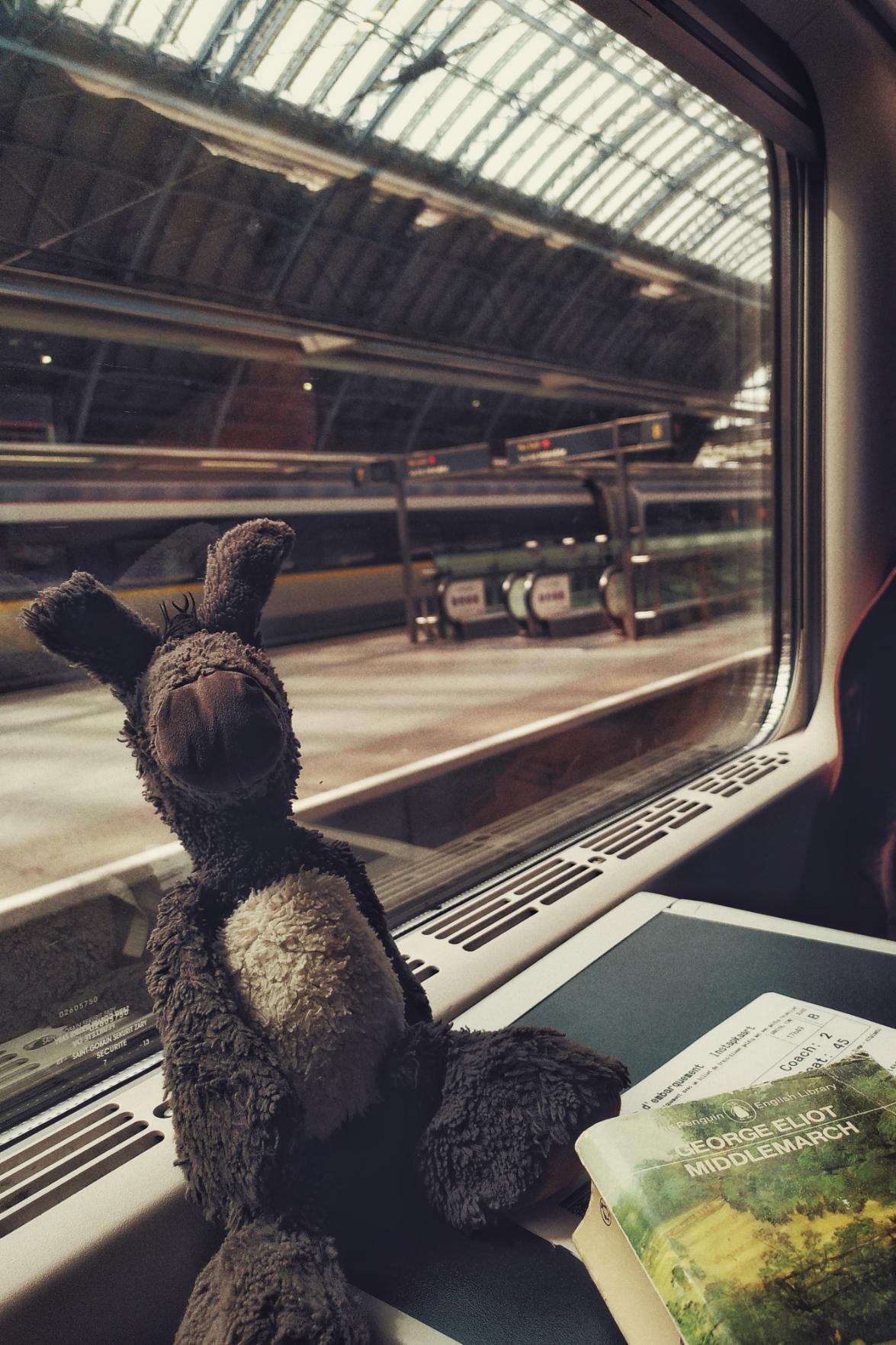
And then, I picked up Middlemarch by George Eliot. I opened the pages of the book in July and tentatively read the first words. I am not sure why or how but I got sucked into the story. I laid aside almost every other book and lost myself in the world of Middlemarch. I picked up the book when I could and laid it to rest when energy was low. I didn't think about time, about other books, about reading goals. I read Middlemarch and that was it.
A couple of times, I took a break to finish a book started earlier in the year and to read a story that matched my energy level but always I returned to Middlemarch. It was a pleasure, an easy slide back into the lives of the characters, their fortunes and miseries. I delighted in the wit of the narrator, in the complex lives of the characters, and I read.
Reading goals vanished from my mind. I was still logging the books I read in Storygraph but the slowly advancing line of my reading goal lost my attention.

Summer heat turned to cold winds and I was still reading George Eliot's words. Four months had gone by when I turned the last page. I had not missed filling my life with other stories. I had not considered my reading challenge and how it was not moving forward. I had simply opened the pages of a book and allowed myself to be carried by them. When I returned to Storygraph to log the book in my catalogue, I did not consider how many books were left in the challenge, but which George Eliot book I should read next.
Once away from the computer, I walked to my reading pile and decided to leave George Eliot for a the span of a book or two. I did not want to rush into a different world of hers and compare it endlessly to Middlemarch. So I picked up Persuasion by Jane Austen. I knew I was unlikely to love the book but for the first time, I was open to it. I would take as long as I would take to read the story and that would be plenty.